Blog ·
Two Styles, One Space: How to Organize a Shared Closet
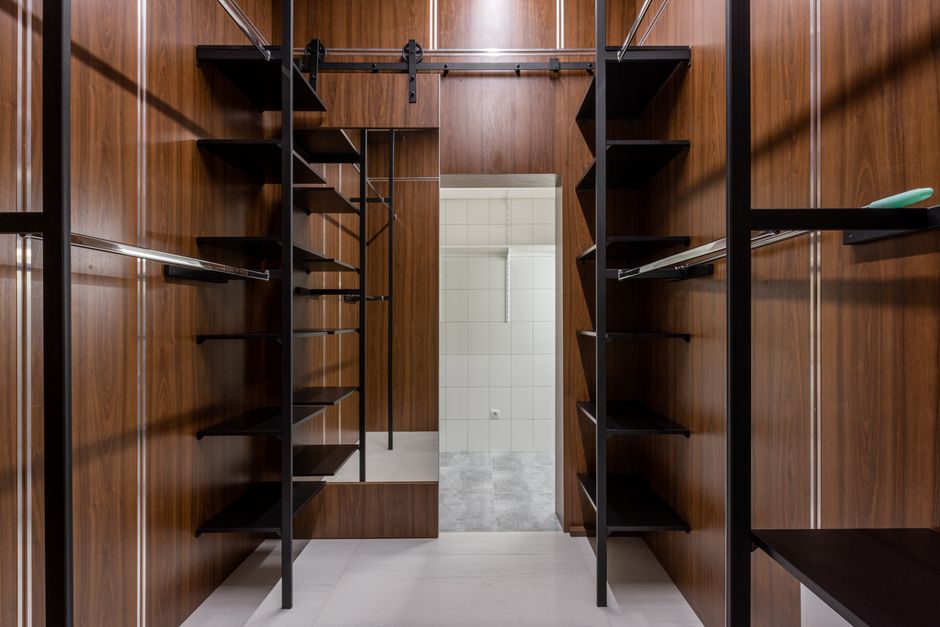
When two people with completely different fashion tastes share a closet, the result is often a chaotic jumble where finding anything becomes a frustration. One partner gravitates toward minimalist basics while the other favors bold prints and textures. One lives in casual comfort while the other needs professional separates. Creating an organized shared space requires thoughtful strategy and the right storage solutions.
Define Your Territory
The first step is acceptance and definition. Rather than forcing your styles together into one hybrid aesthetic, recognize that you each deserve dedicated territory within your shared space. This is where the design approach truly matters. A luxury walk-in closet offers enough square footage to create distinct zones for each person. Your organized closet can feature separate hanging sections, dedicated shelving, and individual drawer assignments. This physical separation prevents daily friction and makes personal preferences visible rather than hidden.
Maximize Reach-In Efficiency
If you are working with an efficient reach-in closet, the constraints require even smarter organization. Advanced closet organizers become essential here. Custom dividers can clearly mark where one person's clothing ends and the other's begins. Adjustable shelving allows different heights for different storage needs, while specialized organizers for accessories, undergarments, and folded items keep categories distinct and easy to locate.
Consider Alternative Solutions
For couples or roommates with dramatically different styles, a freestanding wardrobe offers an elegant alternative. This furniture piece can belong to one person entirely, allowing them complete autonomy over their style expression while the main closet serves the other. This solution works particularly well when one person's collection is significantly larger or their style is more demanding in terms of display and organization.
Edit Before Organizing
The real power in solving this challenge comes from honest assessment of what each person actually wears. Many style conflicts arise not from genuine differences but from keeping pieces that no longer work with current lives or preferences. Before implementing any organizational system, edit your shared collection together. Remove what neither of you reaches for, then approach the remainder with fresh eyes.
Create Systems That Work
Once you have refined your wardrobes, your advanced closet organizers can create systems that actually reflect how each person lives. Use color-coding systems, labeled sections, and zone-based storage to make it effortless for each person to locate their items. The goal is not compromise or conformity, but rather organized coexistence.
Your shared closet can become a space where different styles peacefully exist together, fully visible and perfectly accessible. The right organization system respects both people while creating the functionality that makes daily life easier.